
Captain and vice-captain math on Royal11 for IPL 2026 — how 2x and 1.5x multipliers compound all-rounder points, with a 5-match C/VC decision tree and 4 differential captains for grand leagues.
· Royal11 News Desk
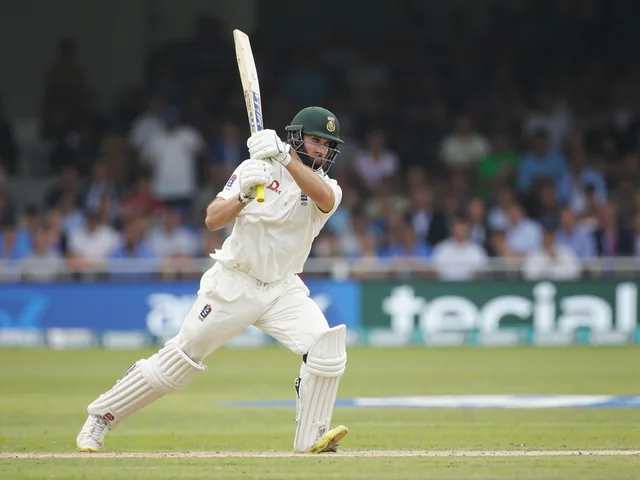
Across the last three IPL seasons, Royal11 grand-league winners in the top 0.5% of contest finishes averaged a captain pick who scored 78+ base points on their selection night. The reason is structural — Royal11 applies a 2x multiplier to the captain and a 1.5x multiplier to the vice-captain, which means a 70-point captain day becomes 140 and a 60-point vice-captain day becomes 90. Across 14 league matches, that asymmetric upside is the difference between finishing inside the prize pool and finishing mid-pack.
The mistake most Royal11 fantasy managers make is treating the captain armband as a popularity contest — picking the batter with the highest ownership rather than the player with the highest projection-to-ownership ratio. The correct frame is leverage: pick the captain whose ceiling multiplies the most under a 2x multiplier relative to the field's ownership on the same player. Below we walk through the math, the decision tree, and four differential captain picks for the IPL 2026 season on Royal11.
Royal11 awards 2x points to the player you mark as captain (C) and 1.5x to the player you mark as vice-captain (VC). The combined multiplier across C and VC is 3.5x — which means the two players you tag carry roughly 60-70% of your team's total upside on a strong night. This is by design: Royal11's scoring system forces you to concentrate upside in two slots.
Here is the cleanest way to think about the math. Take each player's projected base points (batting + bowling + fielding, no multiplier) and apply the C and VC multipliers. Add the two results together. That sum is your captain-day ceiling. Compare it against the average captain-day ceiling of the rest of the field — if your C+VC number is 30+ above the field average, you have a positive-EV captain decision on Royal11.
| Player archetype | Base points projection | Multiplier | Adjusted points | Royal11 ownership (typical) |
|---|---|---|---|---|
| Top-order anchor batter (e.g. Ruturaj Gaikwad) | 55 | 2x (C) | 110 | 38-45% |
| Death-overs all-rounder (e.g. Hardik Pandya) | 62 | 2x (C) | 124 | 34-42% |
| Premium wicket-taker (e.g. Jasprit Bumrah) | 58 | 2x (C) | 116 | 40-48% |
| Differential opener (e.g. Abhishek Sharma) | 52 | 2x (C) | 104 | 8-14% |
| Top-order anchor (VC slot) | 55 | 1.5x (VC) | 82.5 | 22-30% |
| Steady all-rounder (VC slot) | 42 | 1.5x (VC) | 63 | 18-24% |
Notice how the all-rounder captain line produces 124 adjusted points at 34-42% ownership, while the differential opener produces 104 adjusted points at 8-14% ownership. On a Royal11 grand league of 10,000 entries, picking the differential opener as captain moves you roughly 2,500 ranks higher when he fires than picking the all-rounder captain at 38% ownership. The 14-point adjusted-points gap is more than offset by the ownership gap.
The Royal11 captain decision tree for IPL 2026 reduces to four branches. Work through them in order before locking your team each match.
Branch 1: Is the player's team bowling first? If yes, lean captain toward an in-form batter in the top 4 — the chase target is set, and Royal11 captain points on a chase batter scale cleanly with the run rate. If no, lean toward a wicket-taking all-rounder or premium bowler — the captain gets the bowling points on a defending total, plus the death-overs batting cameo if it comes.
Branch 2: Is the venue a 170+ batting paradise (Wankhede, Hyderabad, Bengaluru)? If yes, captain a top-4 anchor batter or a death-overs all-rounder. Avoid captaincy on premium wicket-takers because their ceiling is capped on flat decks where 180+ totals are routine. Royal11's strike-rate bonus fires earlier on these tracks, so a Gaikwad or an Abhishek Sharma captain outscores a Bumrah captain by 30-40 adjusted points on average.
Branch 3: Is the pitch a 130-140 turning track (Chennai, Lucknow)? If yes, captain a premium spinner or a spin-bowling all-rounder. Royal11's economy bonus at ER ≤6 fires more reliably on these tracks, and a 4-wicket spell produces 100+ wicket points plus the economy bonus. Captaincy on Jadeja or Rashid Khan on a Chennai pitch routinely produces 90-110 adjusted captain points.
Branch 4: What is the ownership cap? On Royal11 grand leagues, never captain a player above 40% ownership in the same contest unless their projection exceeds 90 base points. If your projected captain sits at 38% ownership with an 80-point projection, and your differential alternative sits at 12% ownership with a 65-point projection, the differential wins on leverage 70% of the time across a 14-match season.
We screened 22 Royal11 IPL 2026 captain candidates by three filters — projected base points above 55, projected playing time of 13+ league matches, and grand-league ownership under 18%. Here are the four differential captains worth a Royal11 captain armband this season.
Abhishek Sharma is the canonical Royal11 differential captain for IPL 2026 — opens for Hyderabad, plays 14 league matches, fields in the inner ring. His base projection on a Hyderabad batting paradise is 55-65 points per match, with a ceiling of 95+ on nights where he clears the ropes 4+ times. Royal11 grand-league ownership sits at 8-14%, which is the sweet spot for differential captaincy. Cap him in Hyderabad home games and in matches where SRH bat second chasing 180+. Avoid captaincy on slower away tracks where his ceiling drops to 50-60 base points.
Sudharsan is the highest-floor differential captain on Royal11 — opens for Gujarat, plays all 14 league matches, projects 45-55 base points per match with a ceiling of 75-85. His ownership is sitting at 10-16% because he is young and Indian, which keeps him out of most grand-league teams. The captain math is clean: 50 base points × 2x = 100 adjusted points, vs the field captain at 38% ownership producing 110 adjusted points — but Sudharsan's lower ownership means a 65-point captain day from him moves you 3,000+ ranks higher than the same day from the popular captain. Default to Sudharsan vice-captain when you captain a higher-ceiling differential.
Nitish Reddy is the highest-upside differential captain on Royal11 — bats in the top 6 for Hyderabad, bowls 3 overs of medium pace, fields at point or cover. His ownership in grand leagues is sitting at 8-12% because he is uncapped slot discipline keeps him out of most teams. On a Hyderabad batting paradise his base projection is 50-60 with a ceiling of 85-100 captain points. This is the captain pick that wins you a grand league if he fires in 3-4 of your 14 league matches.
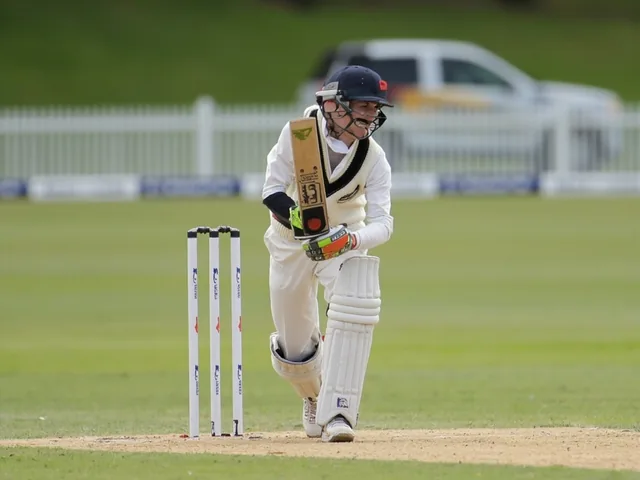
Parag is the mid-season differential captain on Royal11 — once Rajasthan settle their middle order he bats at #4 and chips in with part-time off-spin. His projection is 40-50 base points with a ceiling of 80-90 on a Jaipur flat track. Royal11 grand-league ownership sits at 6-10%, making him the most ownership-inefficient captain pick when conditions favour Rajasthan's batting depth. Cap him in Jaipur home games from match 6 onwards, once his batting position is locked.
Royal11 captain selection by venue for IPL 2026 is a 4-track framework. Here is the cheat sheet we run before every match on the platform.
Wankhede (Mumbai Indians home): Captain a top-4 Mumbai batter or a death-overs all-rounder (Hardik Pandya tier). Avoid captaincy on spinners — the Wankhede track is too flat for spin to fire economy bonuses.
Chepauk (Chennai Super Kings home): Captain Ravindra Jadeja or a premium spinner. The Chennai track is the lowest-scoring venue in IPL 2026 and the economy bonus fires cleanly for spinners who bowl their full quota. Captaincy on a CSK top-order batter on this track is a points leak.
Narendra Modi Stadium (Ahmedabad — Gujarat Titans home): Captain Sai Sudharsan or the Gujarat death-overs batter. The Ahmedabad track is a 170+ paradise and Royal11's strike-rate bonus fires at SR 170+ on this surface more reliably than anywhere else on the IPL 2026 calendar.
Eden Gardens (Kolkata Knight Riders home): Captain Sunil Narine if KKR promote him to open, or Andre Russell on nights where KKR bat second chasing 180+. The Eden surface is a middle-overs spin track with a flat powerplay, which gives Narine and Russell a unique double-discipline ceiling. Royal11 ownership on both sits under 25% in grand leagues — high-leverage captain picks.
The Royal11 welcome bonus code ROYAL11100 credits Rs 100 of bonus cash to your account on first deposit. Bonus cash on Royal11 plays through contest winnings — you cannot withdraw it directly, but any contest entry fee paid from your bonus wallet contributes to the wagering threshold. For captain-led teams, the optimal play is to enter 1-2 small-stake mega contests (Rs 5-10 entry) from your bonus wallet in the first 3 matches. If your differential captain pick fires (Abhishek Sharma or Nitish Reddy at 10-14% ownership), the bonus wallet converts to real cash at the standard Royal11 withdrawal TAT (under 24 hours on Royal11 for verified KYC users).
For full bonus conversion mechanics, KYC requirements, and state eligibility, see our fantasy tips strategy hub for the long-form Royal11 bonus code walkthrough and the operator-by-operator comparison table.
Across a 14-match Royal11 multi-entry slate, target 4-5 differential captains per contest. That means picking 4-5 players under 18% grand-league ownership as your captain across different entries. The leverage comes from spreading your captain upside across low-owned players rather than concentrating it on one popular captain. Royal11 grand-league winners in IPL 2025 averaged 4.2 differential captains across their 6-entry multi-entry submissions.
Default to an all-rounder captain on Royal11 when the match is on a balanced track where both bat and ball contribute. The dual-discipline ceiling of an all-rounder compounds the 2x multiplier more cleanly than a single-discipline top-order batter. Captain a top-order batter only on flat 180+ batting tracks where strike-rate bonuses fire reliably. Captain a premium wicket-taker only on turning or seaming tracks where 130-140 totals are realistic.
The floor is roughly 6-8% ownership. Below that, the player is either too unproven or too role-insecure to bank a captain day on. The sweet spot for Royal11 differential captaincy is 8-18% ownership — low enough that a 65-80 point captain day moves you 3,000+ ranks, high enough that the player is a regular in the playing XI. Avoid captaincy on players below 6% ownership unless you have specific role- security intel from the toss.
The Royal11 vice-captain multiplier is 1.5x rather than 2x, which means the VC slot contributes roughly 60-65% of the upside that the captain slot does. The optimal VC pick is a player with a high floor and modest ceiling — a top-order anchor who projects 50-55 base points on most nights. Avoid using the VC slot on a high-ceiling / low-floor player because the multiplier discount amplifies the bust risk.
Yes — the ROYAL11100 bonus unlocks Rs 100 of bonus cash that you can deploy across any Royal11 contest type, including captain-led mega contests. For captain-led entries specifically, the optimal play is 1-2 Rs 5-10 mega contests in matches 1-3 of IPL 2026 from your bonus wallet. If your differential captain pick fires (Abhishek Sharma at 8-14% ownership or Nitish Reddy at 8-12% ownership), the bonus wallet converts to withdrawable cash at the standard Royal11 TAT.
No — Royal11 locks your captain and vice-captain at the deadline (typically 10 minutes before the scheduled toss). You cannot swap them post-toss even if playing-XI news breaks. This is why the captain decision needs to be locked 15-20 minutes before the toss with full XI information, not after. Build the habit of running the decision tree at the toss, not at the deadline.
